
Surgical Journey
- Prof. Venu Kavarthapu is internationally recognised for his expertise on complex diabetic foot functional limb salvage. He is the head of the diabetic foot surgical service at London Bridge Hospital and also the orthopaedic lead of the King’s College Hospital Multi-disciplinary Diabetic Foot Unit, where he set up the functional limb salvage service in 2007. He introduced and pioneered the modern internal fixation techniques in complex diabetic foot deformity corrections. He has published extensively on diabetic foot surgery and authored several book chapters on this subject. He is invited to most key diabetic foot meetings internationally.
- He also established the ‘Multidisciplinary and Surgical Reconstruction of Charcot Foot Symposium’ and ‘King’s Charcot Foot Reconstruction Cadaver Workshop’ course in London. He is the current President of the International Association of Diabetic Foot Surgeons.As the diabetes pandemic sweeps the world, in its wake, diabetic foot disease continues to cause disability and death. In addition, patients with comorbidities, including heart disease and chronic kidney disease, require a highly specialised level of capability and care rarely found in the independent sector. Professor Kavarthapu has recently established a dedicated expert multidisciplinary diabetic foot team at London Bridge Hospital and offers complex and comprehensive diabetic foot surgical treatment.
Before Surgery
Before surgery, the patient is admitted for comprehensive pre-operative care. Specialist diabetologists monitor heart, kidney, lung function, and blood sugar levels. A podiatrist manages existing wounds and cast or brace care, while circulation tests are performed and corrected before reconstruction.
During Surgery
If damage is not too severe and there is no active infection, Professor Kavarthapu will undertake a full foot reconstruction as a one-stage procedure. He will correct the foot deformity and fix the bones in the new position using specialist metal structures inside the foot. This allows the bones to heal together in the corrected position. If there’s a greater level of damage or active infection in the foot, he will first perform a clean-up operation to remove infected tissue or disintegrated bone matter. The patient will need to heal for six to eight weeks after this initial surgery before a full foot reconstruction takes place.
After Surgery
Patients will remain in the hospital while they recover from surgery. They’ll be cared for by the multidisciplinary team lead by Professor Kavarthapu. During this time, the podiatrist will continue to provide specialist care and a resident orthotist will produce custom-made shoes to support longer-term rehabilitation. After one-stage reconstruction, we expect patients to stay with us for two to six weeks. If the patient has had a two-stage reconstruction, with initial clean-up surgery, we expect a longer period of recovery in hospital – up to three months in some cases.
Full Recovery
We expect patients to fully recover from surgery, and in most cases, regain the ability to walk without support, within three to six months. London Bridge Hospital’s rehabilitation programmes can seamlessly bridge the gap between leaving hospital and returning home. The same multidisciplinary team will provide outpatient care. London Bridge Hospital offers partnership packages with either the Shangri-La at The Shard, Hilton London Tower Bridge or London Bridge Hotel.
Diabetic Foot Surgical Procedures Offered
- Ulcer debridement
- Soft tissue balancing procedures for flexible deformities
- Bone exostectomy (removal of prominent bone)
- Minor amputations
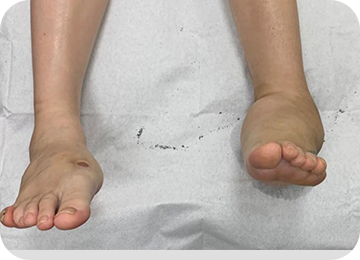
- Acute Charcot foot reconstruction
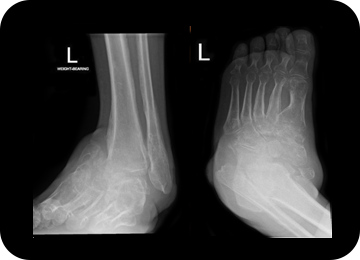
- Chronic Charcot foot reconstruction
- Two-stage Charcot foot reconstruction for infected Charcot foot
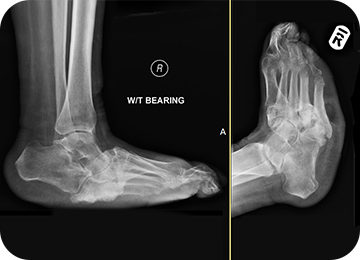
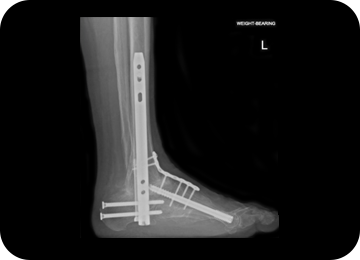
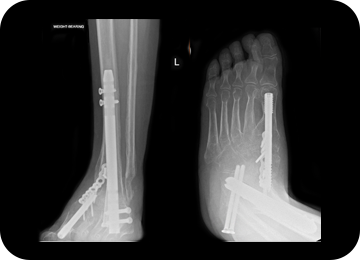
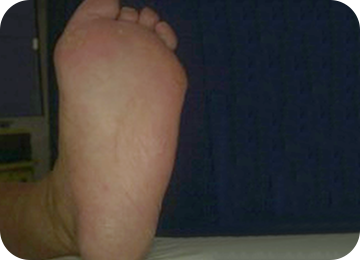
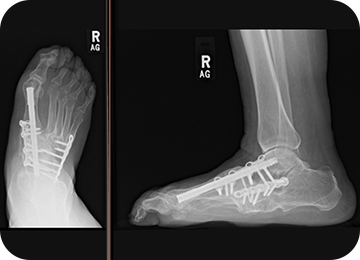
Midfoot Charcot Reconstruction
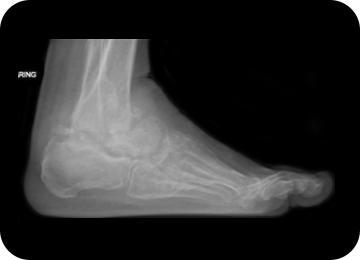
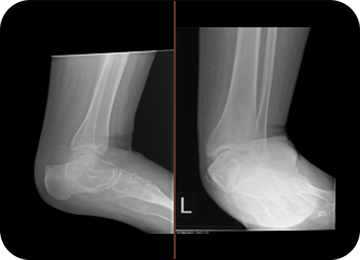
Hindfoot Charcot Reconstruction
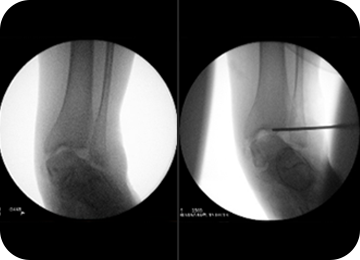
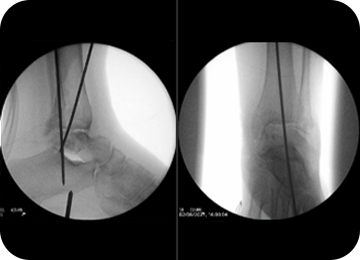
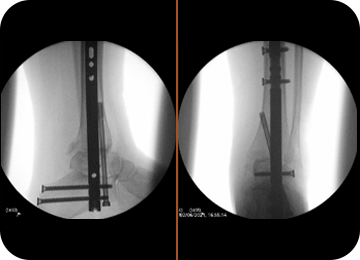
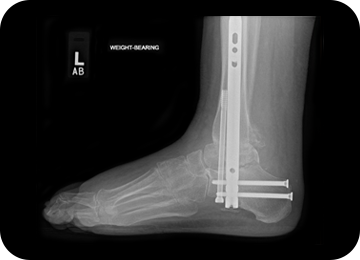
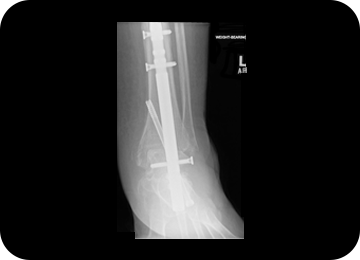
Combined Hindfoot & Midfoot Charcot Reconstruction
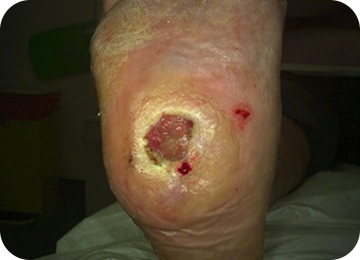
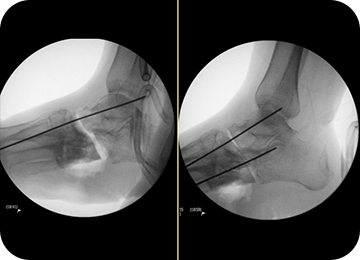
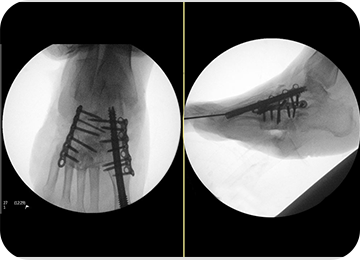
Diabetic Foot Surgery
Prof. Venu Kavarthapu is internationally recognised for expertise in complex diabetic foot limb salvage. He leads the diabetic foot surgical service at London Bridge Hospital and the multidisciplinary diabetic foot unit at King’s College Hospital. He pioneered modern internal fixation techniques and established global educational programs for Charcot foot reconstruction.
Advanced Limb Salvage Approach
Leg amputation in diabetic patients carries a higher mortality risk than many cancers. Professor Kavarthapu pioneered reconstructive techniques using devices specifically designed for diabetic feet, dramatically improving outcomes and offering limb salvage where amputation was previously recommended.